
A Complete Guide to Closing and Winterizing Your Pool the Right Way
Preparing your pool for winter is one of the most important steps in protecting the investment you’ve made in your outdoor space. When temperatures drop, a poorly winterized pool can face freeze damage, structural stress, algae blooms, staining, and equipment failure. A well-executed winterization keeps the water balanced, the systems protected, and the structure in good condition so you can enjoy a smoother, cleaner, and less expensive opening when warm weather returns. According to RubyHome, an online real estate resource, there are approximately 10.7 million pools in the U.S., making professional swimming pool service increasingly important for pool owners across the country.
Perform a Thorough Seasonal Cleaning
Before any other step, the pool requires a thorough, top-to-bottom cleaning. This foundational step is critical for every part of winterization that follows, as accumulated debris and contaminants can compromise both water quality and equipment functionality. Regular pool service ensures that leaves, dirt, pollen, algae, sunscreen residue, and mineral buildup are fully removed, preventing staining, cloudy water, and algae growth during the off-season.
Understand Why Deep Cleaning Protects the Pool
By removing accumulated debris and algae, a thorough seasonal cleaning helps prevent discoloration on plaster or tile, reduces scale that can damage surfaces, and eases strain on pumps and filtration equipment. Proper cleaning also maintains balanced water chemistry for several months while the pool is closed. Investing in professional swimming pool service for this step can save time and costs by avoiding major spring cleanup work when debris has settled and hardened.
Complete All Components of Seasonal Cleaning
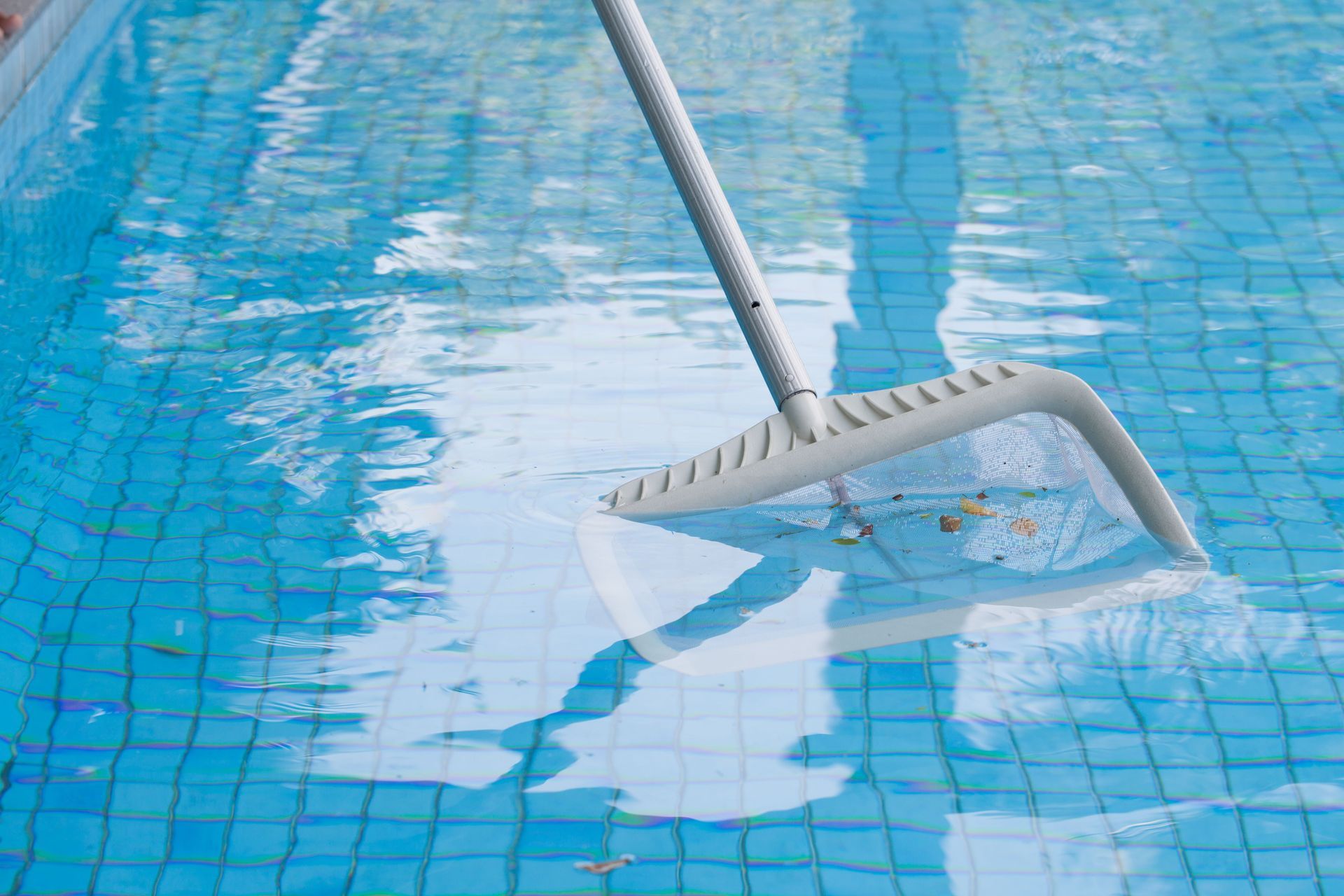
A comprehensive pre-winter cleaning includes skimming the surface to remove leaves and debris, vacuuming the floor and steps, brushing walls and tile lines, and eliminating early algae growth. Skimmer and pump baskets are emptied and checked to ensure proper circulation. In cases of heavy mineral deposits or persistent algae, some homeowners opt for draining and deep cleaning, which should only be handled by experienced pool service professionals to avoid structural damage, particularly in areas with high groundwater.
Install a High-Quality Winter Pool Cover
Installing a winter pool cover provides more than surface protection; it acts as a critical barrier against debris, sunlight, and contamination throughout the colder months. A properly fitted cover reduces maintenance requirements in the spring and enhances overall safety around the pool area.
Discover the Benefits of a Durable Cover
A durable winter cover blocks sunlight to limit algae growth, keeps out dirt, leaves, and other debris, and preserves water quality. It also helps prevent accidents and protects the underlying pool equipment. Regular swimming pool service includes checking the integrity of the cover to ensure it is secured, undamaged, and properly tensioned to handle wind, snow, and ice accumulation during the season.
Explore Types of Effective Winter Pool Covers
Standard winter covers rest on the water’s surface and are secured around the perimeter. They are effective but may require more frequent checks to remain tight and debris-free. Safety covers anchor into the deck and stay above the water, maintaining tension and supporting weight when necessary. Both types are effective when installed correctly and selected based on the pool’s design, which can be determined through professional pool service consultations.
Execute Proper Pool Closing and Winterizing
Once the pool has been cleaned, balanced, and covered, winterization protects plumbing, equipment, and surfaces from freezing temperatures and extended inactivity. This process requires precision, specialized tools, and experience, making professional swimming pool service highly recommended.
Adjust Water Levels Correctly for Winter
The water is typically lowered just below the skimmer or tile line to prevent entry into delicate components that could crack during freezing conditions. Correct water levels depend on pool construction, cover type, climate, and plumbing layout. Professional pool service ensures this balance is precise to avoid structural issues and maintain pool integrity throughout winter.
Clear and Protect Plumbing Lines Efficiently
Any water left in plumbing can expand during freezing temperatures, potentially causing cracks or damage. Specialists use equipment to clear remaining water from the lines and apply winterizing chemicals designed to protect against freeze damage. This critical step, performed during professional swimming pool service, reduces the risk of expensive repairs in spring.
Secure Skimmer and Return Lines Safely
Skimmers and return lines are particularly vulnerable to freeze damage. Winterization includes installing appropriate plugs and ensuring that lines are properly sealed and prepared for off-season conditions. Accurate execution through professional pool service prevents cracks, leaks, and other issues that might otherwise appear when reopening the pool.
Apply Winter Treatment Chemicals Accurately
After balancing the water and shutting down equipment, winterizing chemicals stabilize the pool for months of inactivity. These treatments typically include algaecides and sanitizers formulated to maintain water quality. Using professional swimming pool service ensures that chemical treatments are applied correctly and safely, protecting surfaces and water chemistry until spring reopening.
Conduct Winter-Specific Maintenance
Even after the pool is fully closed, periodic checks can prevent damage and reduce spring maintenance needs. Minimal effort throughout the season can prevent costly issues and ensure a smooth transition when the pool is reopened.
Inspect That the Cover Stays Secure
Wind, storms, and debris can shift or damage the cover over time. Regular inspections identify sagging, pooling water, loose edges, or strained straps. Ensuring the cover is tight and supported preserves water quality and extends its lifespan, which is an important aspect of ongoing pool service.
Monitor Water Levels Under the Cover Consistently
Freeze-thaw cycles can alter water levels. Excess water can stretch or loosen the cover, while insufficient water may leave the cover unsupported. Regular visual checks help maintain balance and prevent stress on the pool’s structure, a standard recommendation in pool service guidelines.
Remove Heavy Debris After Storms Carefully
Heavy snow, ice, or fallen branches can strain a pool cover. Safely removing large debris with soft tools or brooms prevents tearing or damage. Professionals providing swimming pool service often include seasonal debris management as part of their winterizing process to maintain cover integrity.
Obtain Professional Assistance for Winterization
Closing and winterizing a pool involves several complex steps that require experience and technical knowledge. Many problems caused by improper handling may only become evident when the pool reopens, often resulting in expensive repairs and additional work.
Recognize Why Winterization Requires Expertise
Incorrectly handled winterization can result in cracked plumbing, damaged pumps or filters, heater failures, ruptured skimmers, algae growth, and surface damage. Professional pool service ensures every component is properly shut down, inspected, and prepared for the off-season, mitigating these risks effectively.
Identify Situations That Require Professional Support
Homeowners should seek expert help if equipment is older, plumbing is complex, water levels are uncertain, or algae was present during the season. Professional assistance is also recommended for new or unusual cover installations, unusual equipment noises, or regions prone to heavy winter storms. Engaging with professional swimming pool service provides peace of mind and preserves the long-term health of the pool.
Closing and winterizing your pool is an essential step in protecting your investment and keeping your system in dependable shape through the colder months. Starting with a thorough cleaning, adjusting the water, choosing an appropriate cover, and completing each part of the closing process properly can make a significant difference when it’s time to reopen in spring. If you’d like guidance or want the reassurance of professional support, you can learn more about expert seasonal swimming pool service from Henn Pools LLC. Proper winterization reduces stress, limits unexpected issues, and prepares your pool for a cleaner, easier start to the next swimming season.
Share On: